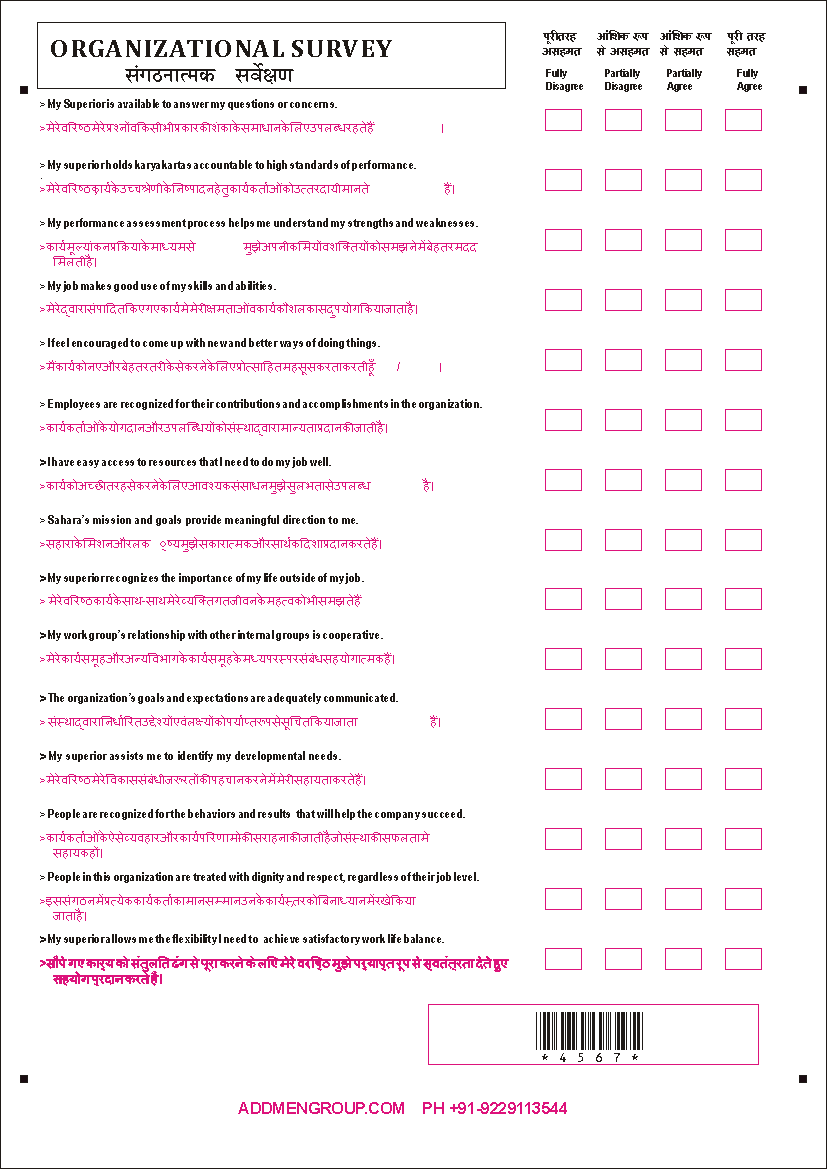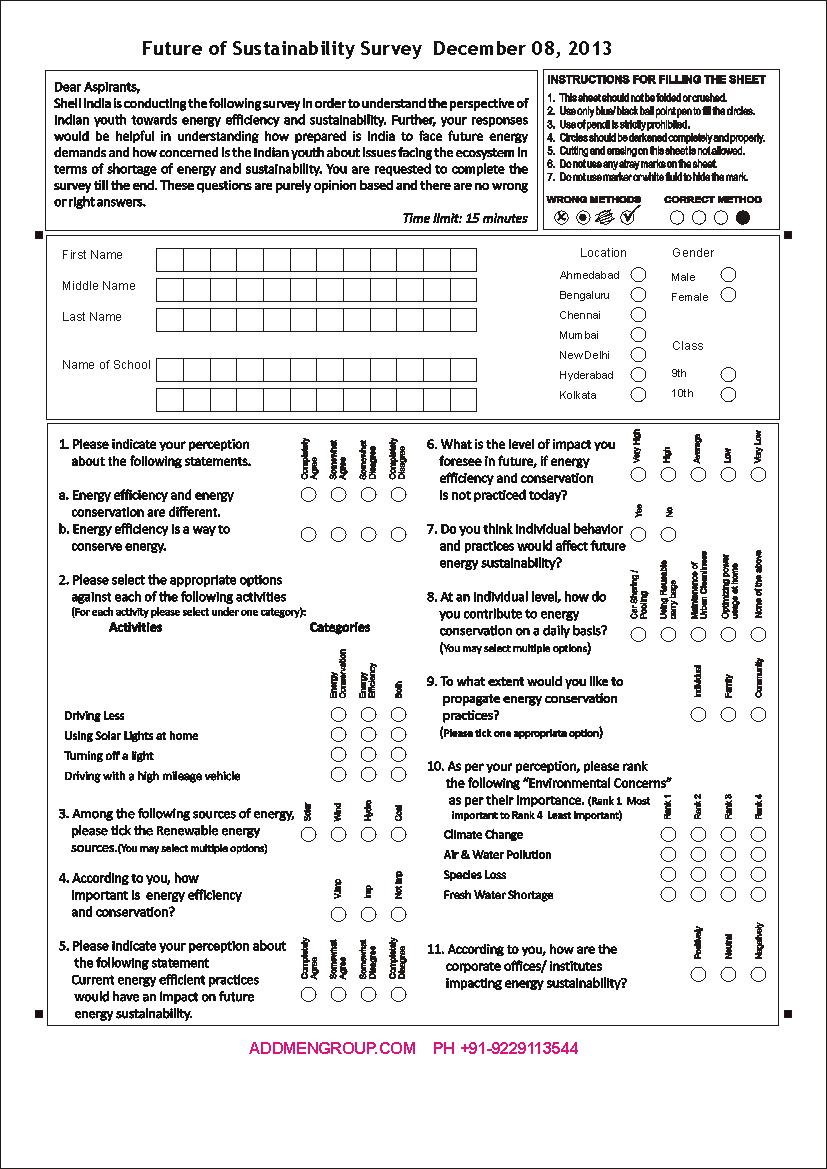
A survey questionnaire is a structured series of questions designed to collect responses from a group of people to understand opinions, attitudes, behaviors, or facts about a topic or issue. It is one of the most widely used tools for market research, customer feedback, academic studies, organizational surveys, and policy evaluations. A well‑designed questionnaire helps gather actionable data efficiently and reliably.
Survey questionnaires are essential for organizations and researchers because they:
Capture quantitative data on perceptions, preferences, and behaviors
Allow comparison across groups and time periods
Help evaluate effectiveness of products, services, or interventions
Provide insights that inform decision-making
Support statistical analysis and reporting
They are versatile and can be administered online, in person, via email, or through printed forms depending on the audience and research goals.
A well-crafted questionnaire typically includes the following sections:
Briefly explain the purpose of the survey, how long it will take, and how responses will be used. Clear instructions set the right expectations for respondents.
Collect basic information about respondents such as age range, gender, occupation, or other relevant background details. This helps segment and analyze results.
This is the main part of the questionnaire where respondents provide feedback or information related to your research topic. Questions may be:
Closed-ended (multiple choice, scales) for easy quantification
Open-ended for detailed insights
Rating scales to capture intensity of opinion
Structure questions clearly and avoid leading or ambiguous wording.
A closing section may include a thank-you note and space for any additional comments not covered in the core questions.
Below are example questions commonly used in general survey questionnaires:
How satisfied are you with our service? (Very satisfied / Satisfied / Neutral / Unsatisfied / Very unsatisfied)
Which of the following best describes your reason for purchase or use?
On a scale of 1–5, how likely are you to recommend our product to a friend or colleague?
Please rate the quality of our customer support services.
These question types allow both quantitative scores and qualitative insights from respondents.
To ensure quality responses and high data reliability:
Use clear, neutral language so respondents understand each question.
Keep it concise to respect respondents’ time and prevent drop-off.
Avoid leading or double-barreled questions that could bias responses.
Group related questions together for logical flow and ease of answering.
Pilot test your questionnaire with a small sample to refine wording and structure.
Following these guidelines improves accuracy, reduces confusion, and enhances the quality of collected data.
Define Objectives
Clearly articulate what you want to learn from the survey.
Choose Distribution Method
Decide whether to conduct the survey online, on paper, by phone, or in person.
Collect Responses
Gather response data within a defined timeframe, ensuring confidentiality and comfort for respondents.
Analyze Results
Use statistical methods, charts, and qualitative analysis to interpret your findings.
Report Insights
Summarize key takeaways and actionable recommendations.
Well-managed surveys provide valuable insights that support strategic planning and continuous improvement.
Survey questionnaires are used in many contexts, including but not limited to:
Market research to understand customer preferences
Customer satisfaction feedback after service interactions
Employee engagement surveys to assess workplace climate
Public opinion polls for research or policy feedback
Academic research studies across disciplines
Surveys can scale from small groups to large populations and can be tailored for specific industry needs.
A survey questionnaire is a fundamental research tool for collecting structured information from respondents. By designing questions carefully and following best practices in survey creation, you can gather reliable data that drives insights and informed decisions. Whether for customer research, product evaluation, or academic study, effective survey questionnaires are key to understanding your audience and measuring outcomes.